
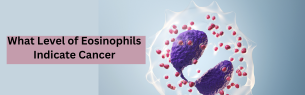
Eosinophils are a type of white blood cell that help your body fight infections and allergic reactions. Many people worry that high eosinophil levels may indicate cancer.
The truth is:
There is no specific eosinophil level that directly indicates cancer. However, very high levels (above 1500 cells/µL) may require further medical evaluation to rule out serious conditions, including rare cases of cancer.
What Are Eosinophils?
Eosinophils are part of your immune system and play a key role in:
- Fighting parasitic infections
- Managing allergic reactions
- Controlling inflammation
They are measured through a blood test called the absolute eosinophil count (AEC).
Eosinophils Normal Range
Understanding the normal range helps you know when levels become concerning.
| Eosinophil Count (cells/µL) | Interpretation | Possible Causes |
| 0 – 500 | Normal Range | Healthy individual |
| 500 – 1500 | Mild Eosinophilia | Allergies, asthma, parasitic infection |
| 1500 – 5000 | Moderate Eosinophilia | Hypereosinophilic Syndrome (HES) |
| Above 5,000 | Severe Eosinophilia | Blood cancer or leukemia (rare) |
The Absolute Eosinophil Count Normal Range test helps doctors measure the exact number of eosinophils in your blood and identify any abnormal rise.
Related Blog – Can Vitamin B12 Deficiency Be A Sign Of Cancer
What Level of Eosinophils Is Dangerous?
Eosinophil levels become medically significant when they cross:
1500 cells/µL or more
At this stage, the condition is called eosinophilia, and further tests are required to identify the cause.
Very high levels (above 5000) may indicate:
- Severe infections
- Chronic inflammation
- Autoimmune disorders
- Rare blood-related cancers
Does High Eosinophil Count Mean Cancer?
No, high eosinophils do NOT directly mean cancer.
In most cases, elevated eosinophil levels are caused by:
- Allergies (most common)
- Asthma
- Parasitic infections
- Skin conditions
However, in rare cases, high eosinophils may be linked to certain cancers such as:
- Leukemia
- Lymphoma
That’s why persistent high levels should always be evaluated by a doctor.
Causes of High Eosinophils
Common causes include:
- Allergic conditions
- Asthma
- Drug reactions
- Parasitic infections
- Autoimmune diseases
Less common but serious causes:
- Blood cancers
- Bone marrow disorders
Eosinophils High Means What?
If your report shows high eosinophils, it means your body is reacting to something.
It does NOT automatically mean cancer.
Instead, it signals:
- Immune response
- Inflammation
- Infection
Symptoms of High Eosinophils
Symptoms depend on the underlying cause but may include:
- Skin rashes
- Breathing difficulty
- Fatigue
- Abdominal pain
- Fever
What Happens If Eosinophil Count Is High?
If eosinophil count remains high for a long time:
- It may damage organs
- Cause chronic inflammation
- Indicate underlying disease
That’s why timely diagnosis is important.
When Should You See a Doctor?
You should consult a doctor if:
- Eosinophil count is above 1500
- Symptoms persist
- You have unexplained fatigue or weight loss
Early evaluation helps rule out serious conditions.
Diagnosis and Treatment
Doctors may recommend:
- Blood tests
- Allergy tests
- Imaging
- Bone marrow tests (in rare cases)
Treatment depends on the cause:
- Anti-allergy medications
- Anti-parasitic treatment
- Steroids
- Cancer-specific treatment (if diagnosed)
Also Read – Understanding Cancer Stages
FAQs
What level of eosinophils indicates cancer?
There is no fixed level that confirms cancer. However, very high levels above 1500 cells/µL require further investigation.
What level of eosinophils is dangerous?
Levels above 1500 cells/µL are considered high and may need medical attention.
What is the normal eosinophil range?
The normal range is typically between 0–500 cells/µL.
Can eosinophilia be cured?
Yes, treatment depends on the underlying cause and is often manageable.
About the Expert
This article is medically reviewed by:
Dr. Nikhil – Cancer Surgeon in Jaipur
15+ years of experience in oncology and cancer treatment.
If you are experiencing symptoms or have abnormal reports, consult a specialist for proper diagnosis.